
This week’s most uncomfortable story in tech is not about a hack or an external breach. It is about a company doing something technically within its rights with data it had access to — and getting caught on leaked audio explaining the rationale to employees on the same day thousands of them were let go. For anyone building an online business, it is an important reminder about the relationship between the tools you use and the data you generate.
What Meta Actually Did
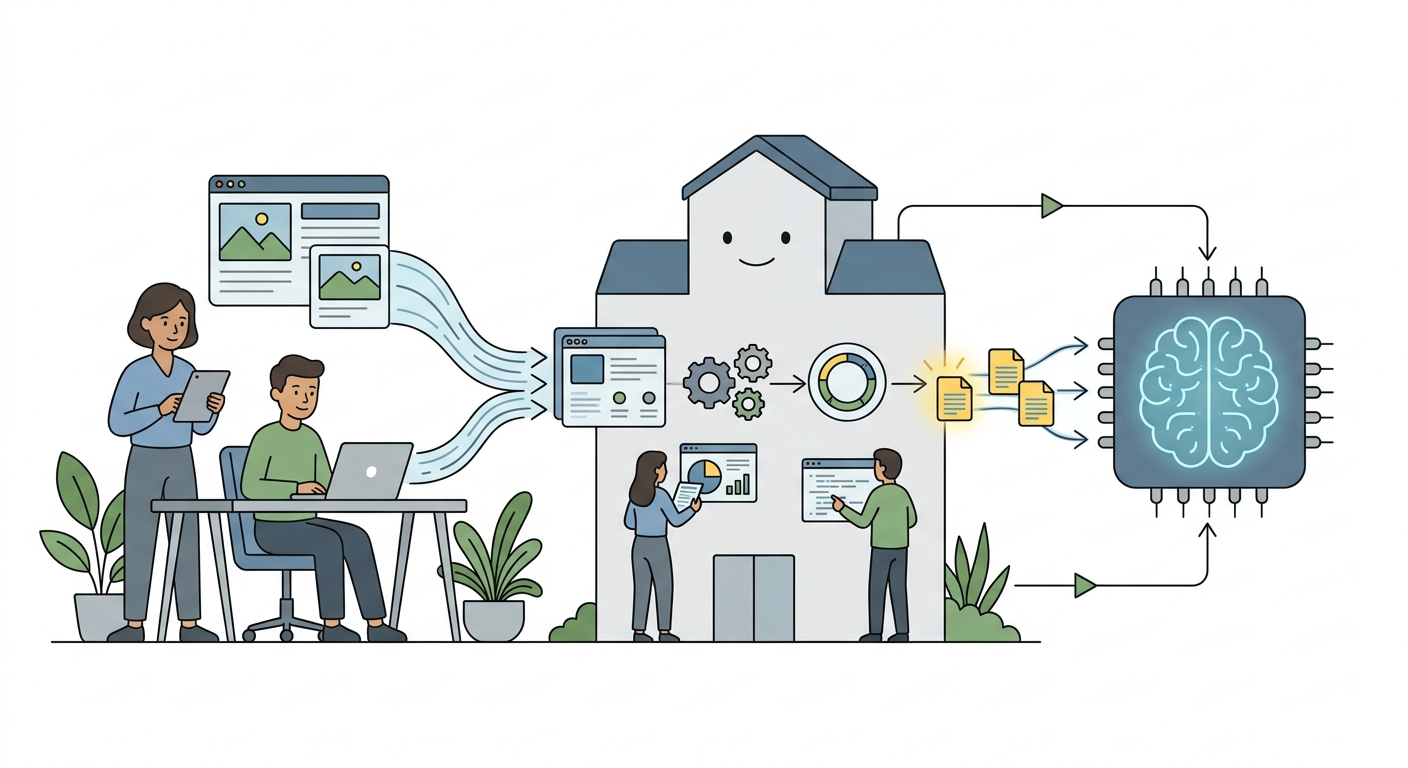
In leaked audio, Mark Zuckerberg explained that Meta had been tracking employees’ Gmail activity, coding sessions, and internal tool usage to train AI systems. The employees had not explicitly consented to this specific use of their work activity data. They used these tools in the course of doing their jobs and assumed their work data was treated as private.
The company’s position is that broad data usage rights were covered in employment terms. Whether or not that is legally defensible is almost beside the point. The more important question for creators is: what is happening with the data you generate as a user of the platforms your business depends on?
Why This Matters for Independent Creators
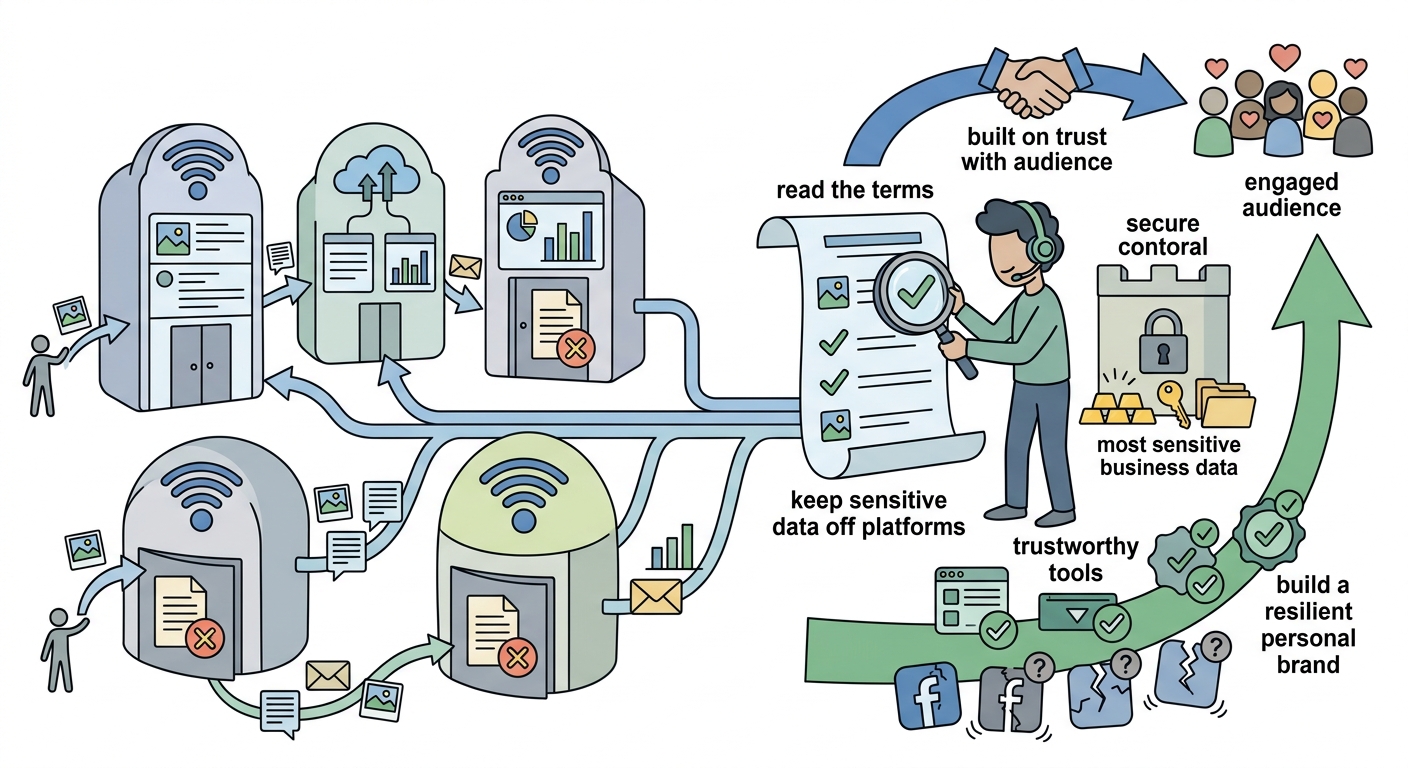
Your content, your captions, your audience analytics, your direct messages — all of it flows through platforms that have broad data usage rights embedded in their terms of service. This is not a reason to delete everything and go off-grid.
It is a reason to read the terms of the tools you depend on, keep your most sensitive business data off platforms you do not control, and think carefully about which company’s infrastructure your business is fundamentally built on. Your personal brand is built on trust with your audience.
The tools you use to build it should be worthy of that trust. That is not a standard every platform currently meets.
Quick Links: